Everybody who walks into a tint shop is quietly doing the same math: how dark can I go before it turns into a conversation with the CHP? I've spent 30+ years and more than 1,000 installs in vehicle electronics, so here's the honest answer, window by window. Every rule links to the actual law, because "my buddy's cousin said 35% is fine" has never once worked as a defense.
California tint law at a glance
California's tint rules live in Vehicle Code 26708, and they change depending on which window you're looking at. Here's the whole thing on one screen.
| Window | What's legal | Where it comes from |
|---|---|---|
| Windshield | Non-reflective material along the top only, with its bottom edge at least 29 inches above the driver's seat | Vehicle Code 26708(c) |
| Front side windows | Clear, colorless film only: at least 88% of light through, glass and film together meeting the federal 70% standard, UV-A blocking, installer's certificate kept in the car | Vehicle Code 26708(d), FMVSS 205 |
| Back side windows | Any darkness | Vehicle Code 26708(b)(4) |
| Rear window | Any darkness, if the car has outside mirrors on both sides | Vehicle Code 26708(b)(8) |
| Medical exemption | Removable sun screen on the front side windows with a doctor's or optometrist's letter, at least 35% of light through, never used in the dark | Vehicle Code 26708(b)(10), 26708.2 |
Short version: the back of the car is a free-for-all, and the front is basically a no-tint zone wearing a very technical disguise.
Is 70% tint legal in California?
Usually not on the front windows, and the reason trips up almost everyone. The 70% in California's rule is the minimum for the glass and the film together, set by the federal glass standard, FMVSS 205. It's not the shade of film you're allowed to buy.
Tint percentages don't add up. They multiply, which is the one fact about window film that would make your old algebra teacher feel seen. Say your factory glass lets through 85% of the light. Stick a 70% film on it and you're at roughly 60%, which is under the line.
That's exactly why the law says film on the front side windows has to let through at least 88% on its own. It leaves room for the glass you already have. So when a shop offers "70% on the fronts, totally legal," the meter in a CHP officer's pocket may disagree, and the meter doesn't care how confident the shop sounded.
Front window tint law in California
The front side windows can take clear film, and that's it. Under Vehicle Code 26708(d), film beside the driver and front passenger has to be clear and colorless, let at least 88% of light through, meet the federal glass standard and block UV-A rays.
Two details people miss. You need a certificate from the installer or the film maker, kept in the car, and the film has to come off if it gets torn, bubbled or worn. A peeling strip of film along the top of your window isn't vintage charm. It's a citation with a backstory.
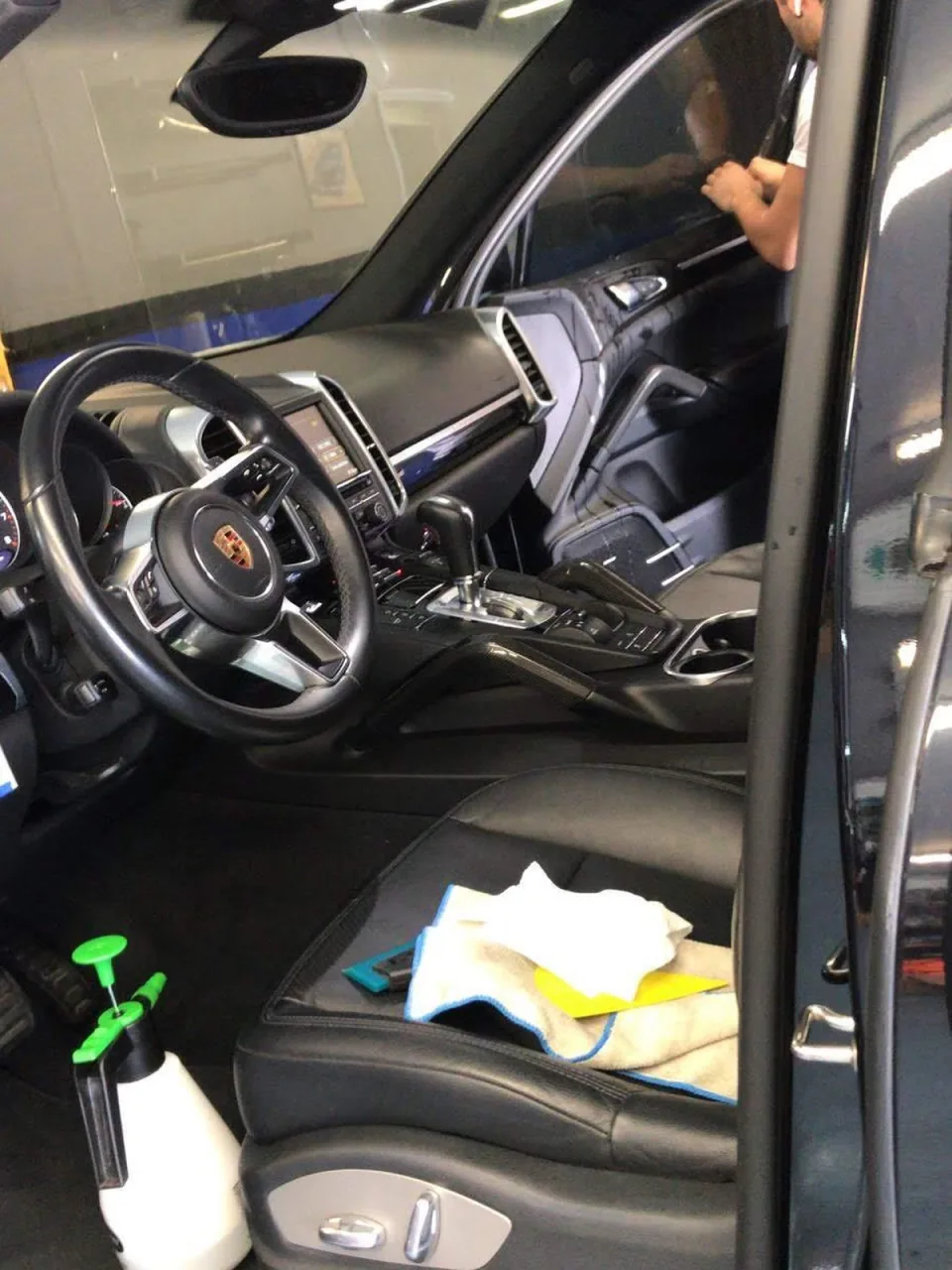
The upside is that clear UV film is a real product, not a consolation prize. If you want less sun on your arm without a tinted look, our window tint service in Kearny Mesa covers the films we install and how we pick a shade for each window.
How dark can the back windows be in California?
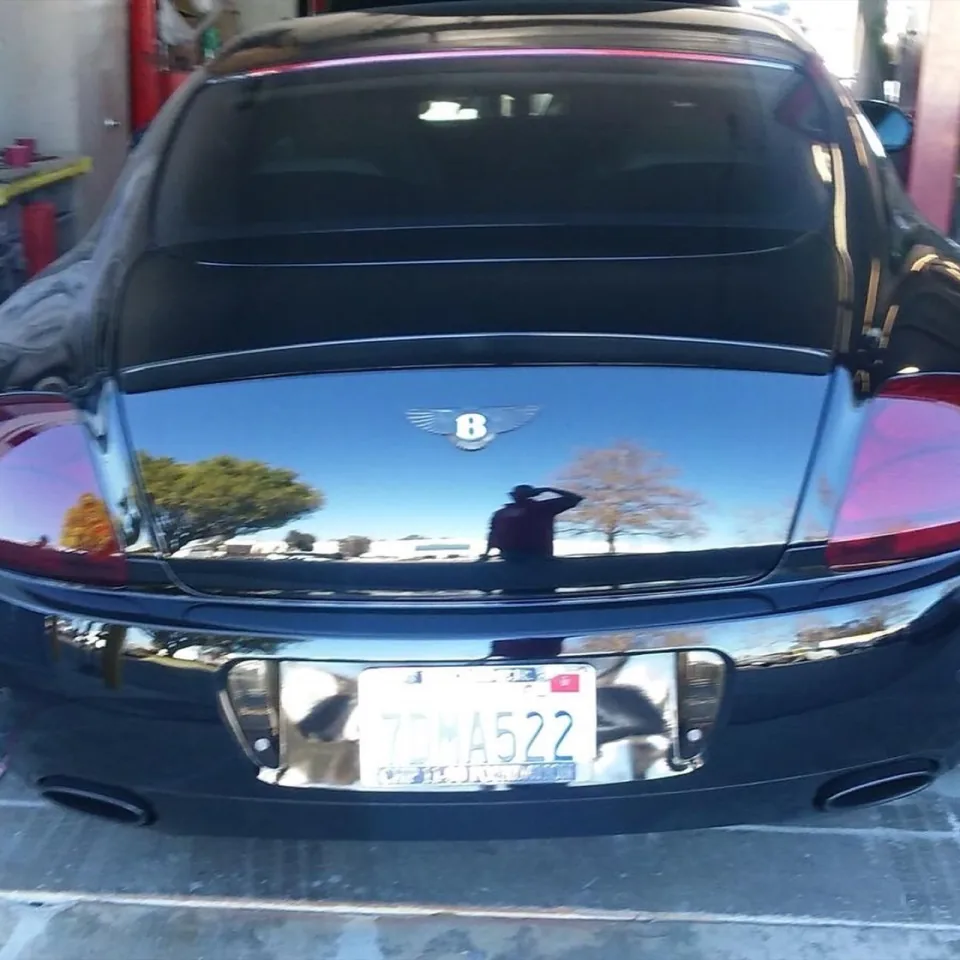
As dark as you like, with one condition on the rear window. The side windows behind the driver have no darkness limit at all. The rear window can be any shade too, as long as the car has outside mirrors on both sides that show at least 200 feet of road behind you.
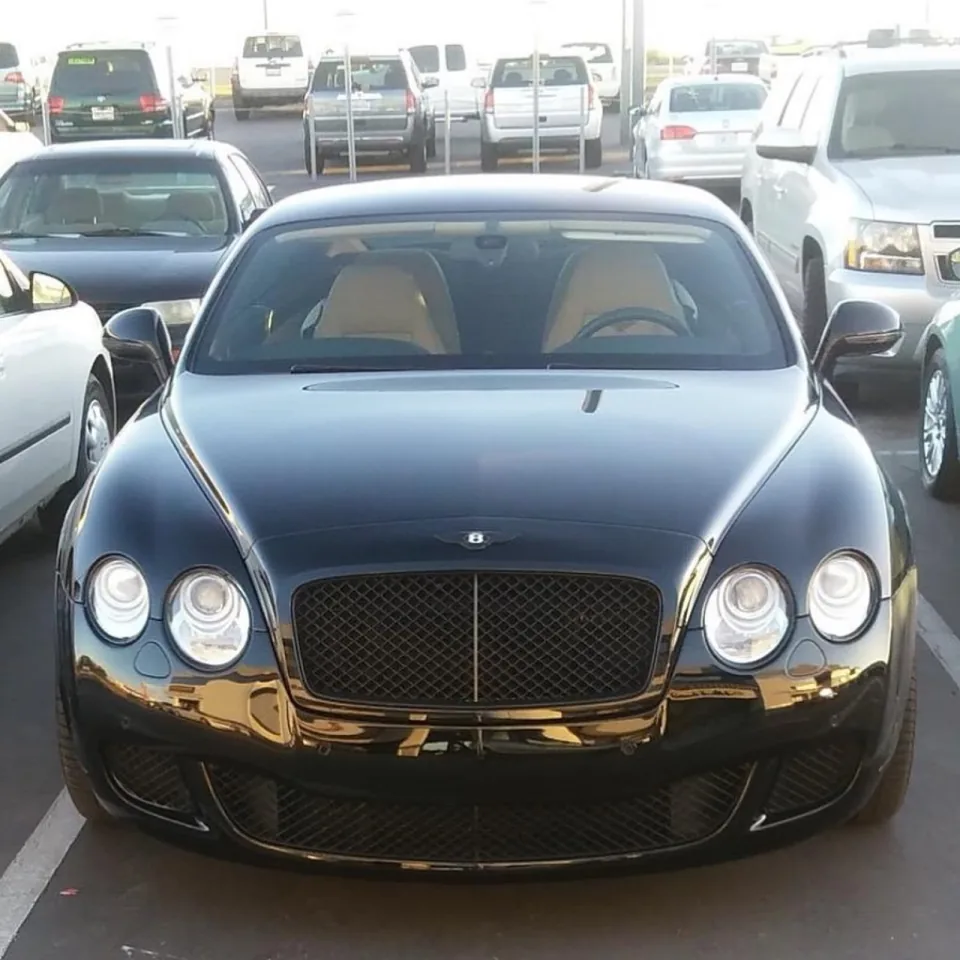
That's why so many SUVs and trucks roll off the lot with dark privacy glass in the back. It's legal from the factory, and it's the same rule that lets you go darker with film.
Legal isn't the same as smart, though. Very dark back glass makes reversing at night harder, and a backup camera only helps if you actually look at it instead of doing the over-the-shoulder squint out of habit. If you drive a lot after dark, a lighter shade in the rear window is worth a thought.
What happens if you get a tint ticket in California?
A tint ticket is usually a fix-it ticket, which costs far less than the panic it causes. According to the California Courts self-help guide, you fix the problem by the due date, have the certificate of correction on the back signed, and pay the court a $25 fee per fix-it ticket.
For tint, "fixing it" means removing the film, then getting a police officer to sign off that it's gone. You can't sign it yourself. The court has seen that move, and it was not impressed.
Ignoring the ticket is where it gets expensive, because a missed fix-it deadline stops being a $25 problem. Your ticket says which court handles it and by when, so check it before you assume anything.
Medical exemptions for window tint in California
California allows medical exceptions, but they're narrower than most people expect. With a letter from a licensed physician or optometrist, you can use a removable sun screen on the front side windows, not permanent film.
Under Vehicle Code 26708.2, that screen has to let at least 35% of light through, can't be more than 35% reflective, and can't be used in the dark. Separately, a certificate from a dermatologist allows clear UV-blocking film on the windows for a person who has to avoid UV exposure.
| Paperwork | What it allows | The catch |
|---|---|---|
| Letter from a licensed physician or optometrist | A removable sun screen on the front side windows, at least 35% of light through, no more than 35% reflective | Never used in the dark |
| Certificate from a licensed dermatologist | Clear UV-blocking film for a person who has to avoid UV exposure | Clear film, not tint |
Neither one is a hall pass for limo tint on the front doors. It's a doctor's note for a sunshade, which is a lot less exciting than the forums make it sound.
Window tint laws by state: does California's rule follow you?
Every state sets its own tint percentages, and California's rule applies to anyone driving here. Vehicle Code 26708 is written about driving a car on California roads, not about where the car was bought or tinted.
So a car tinted legally somewhere else can still pick up a ticket on the 805. If you've just moved here, check your front windows before the CHP checks them for you. That's one welcome-to-California gift nobody wants.
What we see at the shop
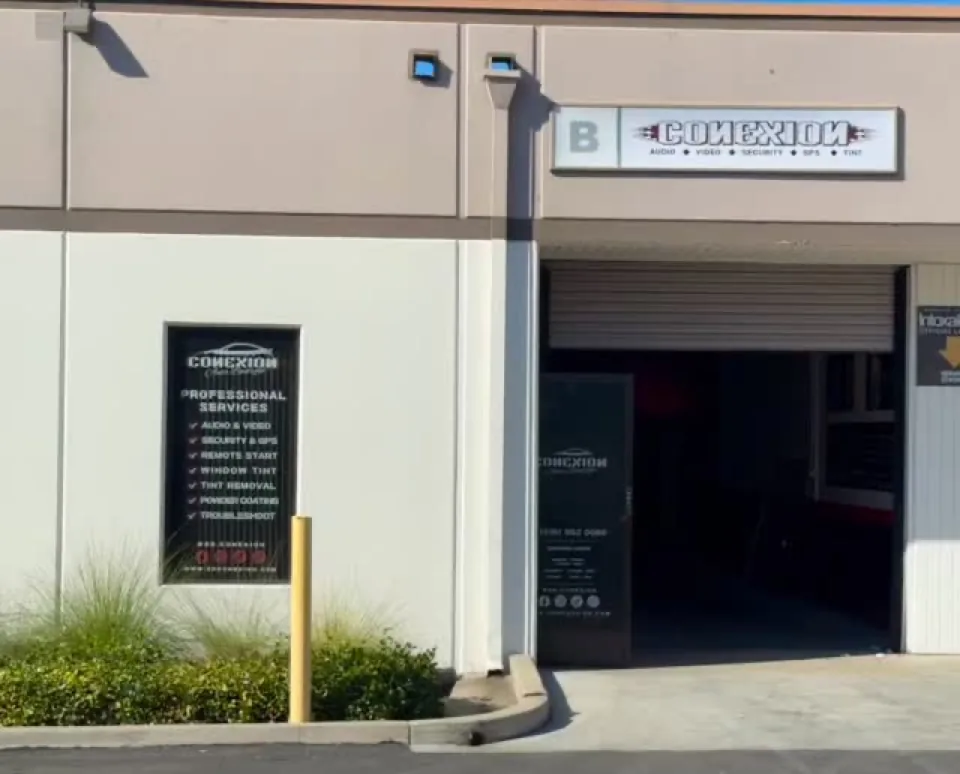
Every tint job here starts with a straight answer about each window. At our shop on Kearny Mesa Rd, we talk through each window before anything gets quoted. Back side windows and the rear window can go as dark as you want. The front side windows get clear film or nothing.
We'd rather lose the job than sell you a ticket. One customer, Jen T., wrote that Robert "didn't try to upsell and persuade me one way or the other," and that's how we handle tint too. Your quote starts with your year, make and model, because the right film depends on the car.
We install ceramic and carbon film. If heat is the main thing bugging you, our ceramic window tint page explains the difference before you spend a cent.
California window tint law: frequently asked questions
Is 5% tint legal in California?
On the back side windows, yes. On the rear window, yes, as long as the car has outside mirrors on both sides. On the front side windows, no: they can only take clear film that lets at least 88% of light through.
Is 20% tint legal on back windows in California?
Yes. California puts no darkness limit on the side windows behind the driver. The rear window can be any darkness too, provided the car has mirrors on both sides.
Can I tint my windshield in California?
Only along the top. The material has to be non-reflective, and its bottom edge has to sit at least 29 inches above the driver's seat. Nothing can go across the area you look through.
How much is a window tint ticket in California?
A tint ticket is usually written as a fix-it ticket. You remove the film, have an officer sign the certificate of correction, and pay the court a $25 fee per fix-it ticket. Ignoring it is what gets expensive.
Do I need a certificate for front window film?
Yes. Vehicle Code 26708(d) requires the driver to have a certificate from the installer or the film manufacturer, kept in the vehicle, showing the clear film meets the law.
Did California's tint law change for 2026?
The rules on this page are the text of Vehicle Code 26708 as we checked it on 29 October 2026. We'll update this post if the law changes.
Get it tinted the legal way in Kearny Mesa
Want the back windows dark and the fronts legal? Call or text (619) 852-0086 with your year, make and model, or walk in at 5640 Kearny Mesa Rd, Unit B. See every film option on our San Diego window tint page.